
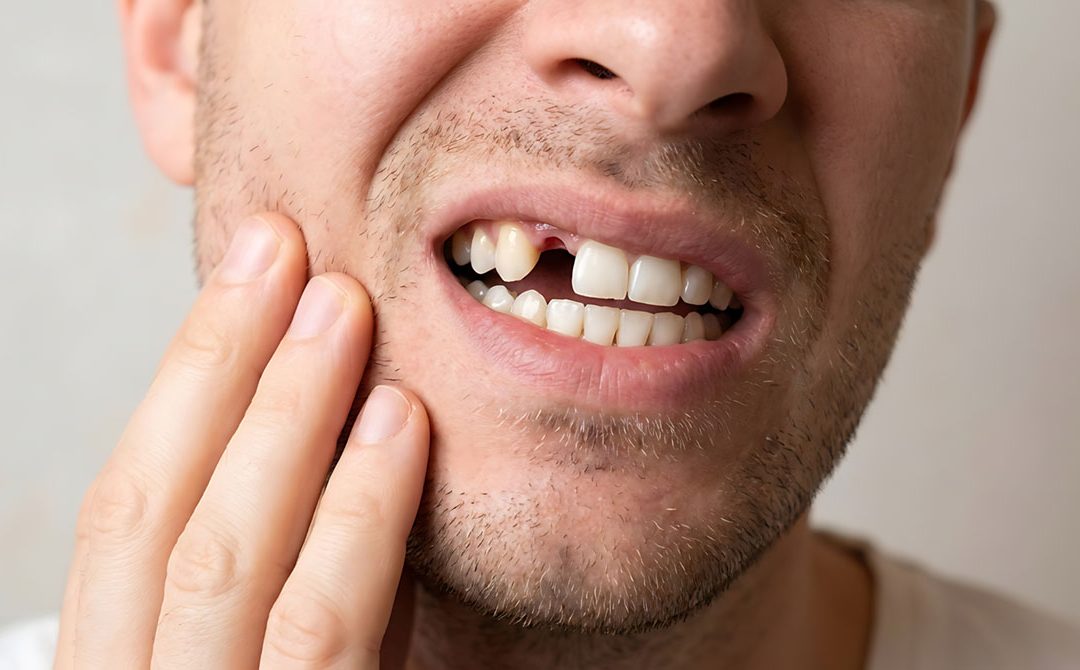
Let’s be honest — no one ever plans for a dental emergency. It always seems to happen at the worst possible moment: mid-bite into your favorite sandwich, in the middle of a pickup basketball game, or right as you’re drifting off to sleep. One second everything’s fine, and the next you’re staring at a chipped tooth in the bathroom mirror wondering what on earth you’re supposed to do next.
Here’s the good news: you don’t need a dental degree to handle the first few critical minutes. You just need to know the right moves. At Albina Veys DMD, we’ve been the go-to family dentist in Collegeville, PA since 2000, and we’ve walked countless patients through exactly these situations — calmly, quickly, and without judgment. This guide breaks down how to spot a true dental emergency, what to do in the moment, and when it’s time to stop troubleshooting at home and get to a dentist, fast.
What Actually Counts as a Dental Emergency?
Not every ache or chip means you need to drop everything and rush to a clinic. So how do you tell the difference between “this can wait until Monday” and “call the dentist right now”?
Think of it this way: a dental emergency is anything that threatens a tooth’s survival, puts you at risk of infection, or causes pain you simply can’t manage. That includes severe or persistent pain, a tooth that’s been knocked loose or knocked out entirely, bleeding that won’t quit, or visible signs of infection like facial swelling. These situations aren’t the kind you sleep on — they need attention within hours.
On the other end of the spectrum, routine issues like mild sensitivity to cold drinks, a tiny chip that doesn’t hurt, or slightly irritated gums can usually wait for your next scheduled visit.
Still not sure which camp you fall into? Watch for these red flags:
- Severe, constant tooth pain that ibuprofen or Tylenol barely touches
- Swelling in your face, cheek, or gums
- Bleeding that hasn’t slowed after 10 solid minutes of pressure
- A tooth that’s completely out of its socket
- Trouble breathing or swallowing
If any of these sound familiar, don’t wait it out — call an emergency dentist immediately.
Common Dental Emergencies (And What To Do in the First Few Minutes)
Every emergency is a little different, and the right first-aid response depends on what’s actually happened. Here’s your quick-reference playbook.
Severe tooth pain or a dental abscess
A throbbing, won’t-quit toothache is often your body’s way of waving a red flag. Start with a warm salt water rinse to clean the area, then take an over-the-counter pain reliever as directed on the label. A cold compress against your cheek can help take the edge off swelling. One rule to tattoo into memory: never place an aspirin directly against your gum or tooth — it doesn’t “numb” anything, it chemically burns the tissue. A dental abscess is a genuine infection, and it can spread beyond your mouth if it’s ignored, so get it looked at right away.
Knocked-out or loose teeth
If a tooth gets knocked out, the clock starts ticking the second it happens. Pick it up by the crown (the white, visible part) — never the root, which is covered in delicate cells your dentist needs intact for reimplantation. Give it a gentle rinse if it’s dirty, and if you can, try slipping it back into the socket without forcing it. Can’t manage that? Tuck it into a small container of milk and get moving toward the dentist. A tooth that’s merely loose (not fully out) should be left in place — gently biting down can help stabilize it until you’re seen.
Broken or chipped teeth
Rinse with warm water and hang onto any pieces you find — your dentist may be able to use them. If a jagged edge is cutting into your cheek or tongue, cover it with a bit of dental wax or sugar-free gum in the meantime. A small, painless chip probably isn’t urgent, but a larger break or one that hurts deserves same-day care.
Lost fillings or crowns
Losing a filling or crown leaves the tooth exposed and often sensitive to temperature and pressure. If you still have the crown, clean it gently and you can temporarily reseat it with dental cement or denture adhesive from the pharmacy — just know this is a stopgap, not a fix. Dental wax can temporarily cover an empty filling site. Avoid chewing on that side and get in to see us as soon as you can, before decay or damage sets in underneath.
The Knocked-Out Tooth Countdown: Why Every Minute Matters
Of all the scenarios above, a knocked-out tooth is the one where speed genuinely changes the outcome. Acting within the first 30 minutes gives you the best realistic shot at saving the tooth through reimplantation.
The moment it happens, locate the tooth and pick it up strictly by the crown. Don’t scrub it, don’t wipe off tissue fragments — the root surface holds cells your dentist needs alive and intact. If it’s dirty, a brief rinse with milk or saline is ideal; plain tap water can actually damage those root cells, so use it only as a last resort and for no more than 10 seconds.
Whenever possible, slide the tooth back into its socket and hold it gently in place by biting down on clean gauze or a soft cloth. This is genuinely the best way to keep the tooth viable. If reinsertion isn’t an option, keeping the tooth moist becomes your top priority. Cold milk is the gold standard here — it maintains the pH and nutrient balance root cells need to survive. No milk on hand? Your own saliva works as a backup: hold the tooth between your cheek and gum (being careful not to swallow it). Never let the tooth dry out, and never store it in plain water.
Then get moving. Research consistently shows that teeth reimplanted within 30 minutes have success rates as high as 90%, and that number drops off sharply after the first hour. Call ahead so your dental team knows you’re coming — at Albina Veys DMD, we treat knocked-out tooth emergencies as a top priority and will get you in as quickly as we possibly can.
How to Manage Severe Tooth Pain Until You Reach the Dentist
Sometimes a dental emergency strikes at 9 p.m. on a Friday, and getting to a dentist immediately just isn’t realistic. Here’s how to hold the line safely until you can.
Over-the-counter medication is your first tool. Ibuprofen tends to work especially well for dental pain because it fights both pain and inflammation — follow the package directions, typically 200-400mg every 4 to 6 hours with food. Acetaminophen is a solid alternative if ibuprofen isn’t right for you. Never exceed the recommended dose, and skip aspirin entirely for children under 16.
A cold compress is your second line of defense. Wrap an ice pack in a thin towel, apply it to your cheek for 15 minutes, then give your skin a 15-minute break before reapplying. This works especially well for pain tied to trauma or swelling. A warm salt water rinse (about 1/2 teaspoon of salt in 8 ounces of warm water) can also clean the area and calm things down — repeat every few hours as needed.
A few smaller tricks help too: propping your head up with extra pillows while you rest can ease throbbing by reducing blood pressure in your head. Clove oil, found in most pharmacies, has natural numbing properties — dab a small amount on a cotton ball and hold it near (not directly on) the painful area, since prolonged contact can irritate your gums.
What should you avoid? Aspirin against the gums (it burns tissue, full stop), expired medication, extremely hot or cold foods that can aggravate the nerve, and alcohol-based mouthwashes, which tend to sting an already-sensitive area.
One important reminder: these are stopgaps, not solutions. Severe tooth pain is almost always your body telling you something — decay, infection, or damage — that needs a dentist’s attention. Use these tricks to get comfortable through the night, then schedule your emergency visit.
When Should You Actually Call an Emergency Dentist?
Deciding between “I’ll wait for my regular appointment” and “I need help right now” can be confusing when you’re in pain. Here’s a simpler way to think about it.
Call immediately if you’re dealing with pain that over-the-counter medication simply isn’t touching — that level of pain often points to a serious infection or nerve involvement. A knocked-out tooth needs attention within 30 minutes to an hour to have a real shot at being saved. And bleeding that hasn’t eased up after 10 minutes of firm pressure is your body signaling that something more serious is going on.
Signs of infection deserve same-day care, no exceptions. Watch for swelling in your face, jaw, or gums — especially paired with fever, difficulty swallowing, or trouble breathing. A dental abscess shows up as a painful, swollen bump on the gum line, and left untreated, it can spread infection well beyond your mouth. A bad taste, fever, and swollen glands are all supporting clues that something’s brewing.
Facial or jaw trauma from a fall or accident also warrants an immediate evaluation — a possible jaw fracture, a mouth wound that won’t stop bleeding, or teeth that have shifted position. If there’s any head trauma involved, head to the emergency room first to rule out anything more serious, then follow up with your dentist.
Not sure where to turn? Start with your regular dentist’s office — many practices, including ours, make room for existing and new patients dealing with urgent issues. If you can’t reach your dentist, search “emergency dentist near me” or “24-hour dental clinic,” and for genuinely life-threatening symptoms like breathing difficulty or uncontrolled bleeding, go straight to your nearest ER. Keep in mind emergency rooms can manage pain and infection but generally can’t perform definitive dental work like extractions or root canals — you’ll still need a dentist to finish the job.
Do yourself a favor now, before you’re in crisis mode: save your dentist’s number in your phone and keep a written copy at home too.
Prevention: The Best Emergency Is the One That Never Happens
You can’t eliminate every risk, but a handful of everyday habits go a long way toward keeping you out of the emergency chair altogether.
Good oral hygiene is emergency prevention hiding in plain sight. Brushing twice daily with fluoride toothpaste and flossing once a day keeps decay and gum disease from quietly setting the stage for an abscess or tooth loss down the road. Regular checkups every six months let your dentist catch small cracks and cavities long before they turn into 2 a.m. emergencies.
Stop using your teeth as tools. It’s tempting to rip open a package or crack a nut with your teeth, but that’s exactly how chips and fractures happen. Same goes for hard foods — ice, hard candy, popcorn kernels, and bone are common culprits behind broken teeth. Cut hard foods into smaller pieces instead of biting straight in.
If you grind your teeth at night, talk to us about a custom nightguard. Grinding gradually wears teeth down and can cause fractures that sneak up on you later. And if you’re already sitting on a cracked tooth or a loose filling, don’t put off treatment — small problems have a way of becoming big ones overnight.
Protective gear matters more than people think. Mouthguards are essential for contact sports like football, hockey, basketball, and soccer, cushioning the kind of impact that knocks out teeth or fractures jaws. Even non-contact activities like skateboarding, gymnastics, or weightlifting carry real risk. Athletes who skip a mouthguard are dramatically more likely to sustain a dental injury than those who wear one — custom-fitted guards from your dentist offer the best protection, though a store-bought version beats nothing at all.
If you’ve got kids, build safety habits early: supervise them during rough play, childproof the house against falls, and make sure mouthguards are as non-negotiable as a bike helmet for any sport they play.
What Belongs in Your At-Home Emergency Dental Kit
A well-stocked kit won’t replace a dentist, but it can make a real difference in the minutes before you get to one.
Start with sterile gauze pads for controlling bleeding, and a small lidded container for transporting a knocked-out tooth or broken piece (fill it with milk or saline to keep things moist). Dental wax or temporary filling material covers sharp edges or an empty cavity until your appointment. Toss in cotton balls and swabs, a small bottle of clove oil for temporary numbing, and your usual over-the-counter pain relievers in their original packaging so dosing instructions stay visible.
Salt for saltwater rinses, a cold pack for swelling, a small flashlight so you can actually see inside the mouth, and disposable gloves round things out nicely. Keep your dentist’s emergency contact info on a card right in the kit — and don’t forget dental floss, since trapped food can sometimes mimic emergency-level pain that a little careful flossing resolves in seconds. A digital thermometer is worth adding too, since fever can be an early sign of infection.
When you actually need to use any of this, wash your hands first (or glove up), apply firm, steady pressure to bleeding for a full 10 minutes without peeking, and keep a knocked-out tooth submerged in milk while you head to the dentist. Check your kit every six months to swap out expired items, and keep a mini version in the car for when emergencies happen away from home.
Your Trusted Emergency Dentist in Collegeville, PA
Dental emergencies are stressful, but you don’t have to face one alone. Albina Veys DMD has been Collegeville’s trusted family dentist since 2000, and Dr. Veys was recognized as a Top Dentist in 2026 by Main Line Today — recognition that reflects the same personalized, judgment-free care we bring to every emergency visit. Beyond urgent care, our practice offers general and family dentistry, cosmetic treatments like bonding, veneers, and teeth whitening, restorative work including fillings, crowns, bridges, and dentures, dental implants, pediatric dentistry, periodontal treatment, root canal therapy, extractions, sealants, and advanced laser and digital dentistry — so once your emergency is handled, we can help you fully restore your smile, too.
Whether you’re managing a knocked-out tooth, a sudden abscess, or pain you can’t explain, don’t wait it out. Call or text us at 610-489-6663, or stop by our office at 104 South 2nd Avenue, Collegeville, PA 19426 — we’re proud to serve patients throughout Collegeville, Phoenixville, Limerick, Skippack, Pottstown, and King of Prussia, and we’re here when you need us most.
 |
Proudly Recognized as a Top Dentist in 2026Dr. Albina Veys DMD, Main Line Today Top Dentist 2026, reflecting her commitment to excellence, experience, and patient-centered care in Collegeville, PA. |
Frequently Asked Questions About Dental Emergencies
What actually qualifies as a dental emergency versus routine dental pain?
A true dental emergency involves severe or unmanageable pain, bleeding that won’t stop, a knocked-out or very loose tooth, signs of infection like facial swelling or fever, or a broken tooth with a sharp edge cutting your mouth. Routine issues — mild sensitivity, a small painless chip, or slight gum irritation — can typically wait for a scheduled visit. When you’re not sure, just call us at 610-489-6663; we’d rather talk you through it than have you guess wrong.
How fast do I really need to see a dentist after a tooth gets knocked out?
Ideally within 30 minutes. Research shows reimplantation success rates as high as 90% within that window, dropping off noticeably after the first hour. Keep the tooth moist in milk or saliva, handle it only by the crown, and call ahead — at Albina Veys DMD, we prioritize getting knocked-out tooth patients in the door immediately.
Can I just go to the ER for severe tooth pain instead?
You can, particularly if it’s paired with fever, facial swelling, or trouble breathing or swallowing. But ERs typically can’t perform definitive dental treatment like root canals or extractions — they’ll manage pain and infection and point you back to a dentist for the actual fix. For anything dental-specific, calling an emergency dentist in Collegeville, PA first is usually the faster, more direct path to relief.
My child just had a dental emergency — what now?
Stay calm first; kids take their emotional cues from you. Apply gentle pressure with clean gauze for bleeding. If it’s a baby tooth that’s been knocked out, don’t try to reinsert it — just save it and call us. Permanent teeth follow the same steps as an adult emergency. Our team provides pediatric dentistry alongside general family care, so your child can see a familiar, friendly face even during a stressful moment.
How do I lower my odds of ever needing emergency dental care?
Brush twice daily, floss once a day, and keep up with checkups every six months so small issues get caught early. Wear a mouthguard for sports, stop using your teeth to open packages, skip the ice-chewing habit, and get a custom nightguard if you grind at night. Address a cracked tooth or loose filling the moment you notice it rather than waiting — that’s often the difference between a routine filling and a late-night emergency.
Is it safe to take pain medication before my dental appointment?
Generally yes — ibuprofen or acetaminophen, taken according to package directions, can help you get comfortable before you’re seen. Just let us know what you’ve taken and when. Skip aspirin right before any procedure, since it can increase bleeding, and never place it directly against your gums or tooth.
What are the warning signs of a serious dental infection?
Look for severe throbbing pain, visible swelling in the gums, face, or jaw, fever, a bad taste in your mouth, difficulty swallowing or breathing, and a tender bump on the gum line. Swollen lymph nodes, fatigue, and sensitivity to hot or cold are supporting signs. Because dental infections can spread beyond the mouth if untreated, don’t sit on these symptoms — call our office right away.
DENTAL EMERGENCY? CONTACT US IMMEDIATELY — WE’RE HERE FOR EXPERT, COMPASSIONATE CARE WHEN YOU NEED IT MOST IN COLLEGEVILLE, PA.
Schedule a Visit Today
Call Dr. Albina Veys at 610-489-6663