
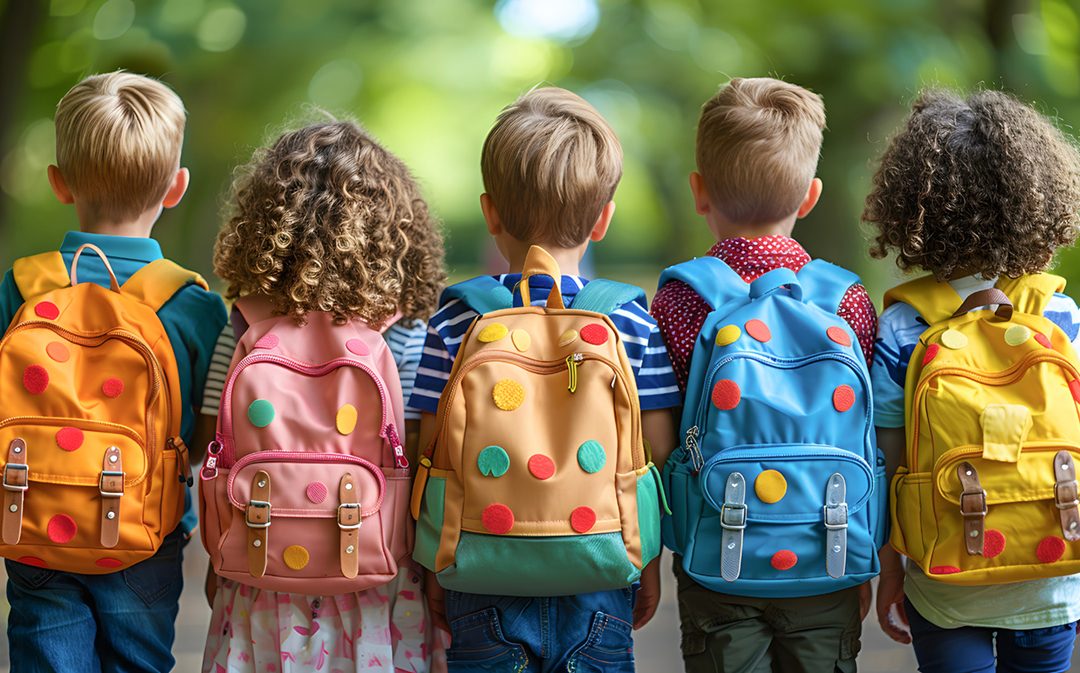
Let’s be honest — by the time back-to-school season rolls around, your counters are already buried. There are forms to sign, shoes to replace, lunchboxes to restock, and a sports schedule that somehow needs to sync with three different calendars. And that one kid who still can’t find the backpack that’s been sitting in the same spot since June? Yeah, we know that kid too.
With all of that going on, is it any wonder dental care quietly slides to the bottom of the list? Then the first week of school hits, mornings turn into a sprint, and brushing becomes a rushed ten-second swipe while one shoe is already on and the bus is two minutes out.
Here’s the good news: a little dental prep before school starts can save you a lot of headaches later. A few small changes at home, paired with a dental checkup if one’s due, can catch minor issues before they turn into the dreaded “your child has a toothache” call from the school nurse.
At Albina Veys DMD, we watch this play out every August. Families use the last stretch of summer as a reset — kids ease back into routines, parents lock in appointments before the calendar fills up, and everyone tries to start the year with fewer loose ends dangling. Consider this your checklist for doing exactly that.
1. Book That Cleaning or Checkup Before the Calendar Explodes
Summer has a funny way of tricking you. One week you think you have all the time in the world to schedule appointments — the next, school’s back in session, practice runs until dark, and every afternoon is spoken for.
If your child is due for a cleaning or dental exam, getting it locked in now — before the after-school shuffle begins — makes life easier for everyone. A routine cleaning gives our team the chance to check for cavities, evaluate gum health, track how permanent teeth are coming in, and talk through anything your child has mentioned lately.
Maybe they’ve been favoring one side while chewing. Maybe a baby tooth has been loose for what feels like forever. Or maybe they’ve casually mentioned that cold drinks “feel weird” on one tooth. Small clues like these are far easier to sort out in August than in the middle of a hectic October.
For younger kids, a back-to-school visit is also a great chance to reset brushing habits before mornings get chaotic. For teens, it’s worth checking in about sports, braces, aligners, wisdom teeth, or the jaw-clenching that tends to show up during stressful school weeks.
2. Swap Out Toothbrushes and Brush Heads
A fresh school year is basically a built-in reminder to take stock of your toothbrushes. If the bristles are bent, flattened, or splayed out in every direction like a tiny startled hedgehog, that brush has stopped doing its job.
As a rule of thumb, toothbrushes and electric brush heads should be replaced roughly every three months — sooner if the bristles look worn or your child has recently been sick.
A soft-bristled toothbrush is usually the safest bet for everyday brushing. It clears plaque effectively without being harsh on the gums. Firmer bristles might feel more thorough, but with too much pressure, they can actually wear down enamel and irritate gum tissue over time.
For kids who treat brushing like a race to the finish line, an electric toothbrush can be a genuine game-changer. It does more of the work for them, and many models include a built-in two-minute timer. Two minutes is still the goal — but on a morning where you’re lucky to get sixty seconds, an electric brush will typically outperform a rushed manual pass.
3. Rebuild the Brushing Routine Before Chaos Sets In
Back-to-school mornings move fast. Someone’s hunting for a permission slip, someone else is eating cereal in the car, and brushing quietly gets skipped. Sound familiar?
The fix is to build brushing into the routine before backpacks and shoes come into play — not after. That might mean setting a phone reminder, keeping toothbrushes somewhere kids can grab easily, or having a parent do a quick double-check for younger children.
Here’s something a lot of parents don’t realize: kids often need help brushing for longer than expected. They may seem independent, but reaching the back molars and cleaning along the gumline takes real coordination. Younger children tend to miss the same spots day after day — especially the inside surfaces of the lower front teeth and the chewing surfaces of the molars.
For older kids and teens, a quick reminder about the easy-to-skip zones goes a long way — the back teeth, the gumline, and the inner surfaces don’t show up in a selfie, but they matter just as much. A solid oral hygiene routine built now pays off later, long before the first missed bus or rushed morning derails everything.
4. Make Flossing Something They’ll Actually Keep Up With
Brushing gets all the glory, but it can’t reach between teeth — and that’s exactly where plaque likes to hide, especially once more permanent teeth are touching each other.
Traditional floss works, but let’s face it: it’s not always the easiest thing for kids (or exhausted parents) to manage. Floss picks tend to be simpler for little hands. Water flossers can be especially helpful for kids with braces, retainers, bridges, or crowded teeth. Honestly, the “best” flossing method is whichever one your child will actually stick with.
Bedtime is a smart place to anchor the habit. Brushing and flossing before sleep gives teeth a clean start for the hours ahead, and it keeps the routine from getting squeezed out of a rushed morning.
One more thing: if your child says their gums bleed when they floss, don’t assume flossing is to blame. Bleeding is often a sign that plaque has built up along the gumline — which usually means flossing needs to happen more consistently, not less. Mention it at your next dental visit, especially if it doesn’t improve once flossing becomes routine.
5. Take a Second Look at Lunchbox and Snack Habits
You don’t need to overhaul the entire lunchbox before the first bell rings. But how snacks and drinks are spaced throughout the day can affect teeth more than most parents expect.
Picture this: juice at breakfast, a sports drink during practice, gummy snacks after school, and a sweet drink sipped slowly through homework. None of those, on their own, is a disaster. The real issue is frequency — constant sipping and grazing give sugar and acid far more opportunities to sit on the teeth, which is exactly how tooth decay gets a foothold.
A simple shift helps a lot: keep sweet drinks and sticky snacks closer to mealtimes instead of spreading them across the whole afternoon. Water between meals is much easier on teeth and helps rinse away leftover food — especially on warm late-summer days here in Collegeville when kids are outside more often.
It’s also worth leaning toward snacks that don’t cling to teeth for hours. Cheese, yogurt, fruit, vegetables, sandwiches, and age-appropriate nuts are generally gentler on teeth than fruit snacks, chewy candy, dried fruit, crackers, or chips that get nibbled on bit by bit all afternoon.
Most families are simply packing what their kid will eat — completely reasonable. It just helps to notice patterns: what’s showing up in the lunchbox daily, what’s being sipped most often, and whether snacking has quietly turned into an all-afternoon event.
6. Pack the Right Supplies for Braces or Aligners
If your child has braces, back-to-school shopping needs a couple of extra items beyond notebooks and folders. A small orthodontic care kit tucked into their backpack can be a lifesaver on long school days.
That kit should include orthodontic wax, a compact toothbrush, floss threaders or flossers, and travel-size toothpaste. Wax is especially clutch — it can cover a bracket or wire that starts rubbing the cheek raw until your child gets home or the office can help.
For kids in clear aligners, a case is non-negotiable. Too many aligners end up wrapped in a napkin at lunch and accidentally land in the trash. A dedicated case gives them somewhere to go during meals and makes them far easier to keep track of.
It also helps to have a quick chat about lunchroom habits before the first day. Braces and sticky candy don’t mix well, and hard foods, ice, popcorn kernels, or chewing on pens can break brackets or bend wires. A two-minute reminder now can prevent an unplanned orthodontic repair visit later.
7. Don’t Skip the Sports Mouthguard
Fall sports kick off early almost everywhere. Football, soccer, field hockey, volleyball, cheer, skateboarding, biking — all of it comes with some risk of a mouth injury.
A mouthguard is one of the simplest, most effective ways to protect teeth during contact sports. It cushions impact to the mouth and significantly lowers the odds of chipped, broken, or knocked-out teeth.
Store-bought mouthguards beat no mouthguard at all, but a custom-fitted option from our office typically fits more comfortably and stays put better during play — which matters even more for kids currently in braces or other orthodontic treatment.
While you’re at it, save the dental office number in your phone before the season gets going. Tooth injuries have a way of happening at the worst times — a Saturday morning game, a parking lot after practice, or an after-school match when everyone’s already racing the clock.
8. Ask About Tooth Pain Before the First Bell Rings
Here’s something worth knowing: a child dealing with tooth pain won’t always tell you more than once. Instead, they might just stop chewing on one side, avoid cold foods, or quietly leave part of a meal unfinished.
Before school starts, ask directly whether anything has been bothering them. This is especially useful for kids who’ve had fillings before, are losing baby teeth, or are mid-treatment with orthodontics.
Pay close attention to pain that wakes your child at night, makes chewing difficult, lingers after hot or cold drinks, or comes with gum swelling — these deserve a call sooner rather than later. Waiting until the school year is in full swing can turn a minor issue into missed class time, missed practice, or a much harder appointment to squeeze in.
A tooth that looks noticeably darker than the others, a visible chip, or a crown or filling that feels loose is also worth mentioning when you call.
9. Build a Simple, Sustainable Nighttime Routine
Evenings fill up fast once school’s back in session — homework, baths, practice, a missing library book, and the classic 9 p.m. discovery that a project is due tomorrow.
Even so, bedtime remains the best window for thorough brushing and flossing. There’s less rushing than in the morning chaos, and it sends your child to sleep with a genuinely clean start.
For younger kids, plan on doing the final brush yourself after they’ve had their turn. For older kids and teens, a reminder to hit the full two minutes and floss before lights-out makes a real difference. Keeping the toothbrush, floss, and toothpaste in one easy-to-reach spot removes friction too. Keep it simple: brush thoroughly, clean between the teeth, and store the supplies somewhere grabbing them takes zero extra effort.
 |
Proudly Recognized as a Top Dentist in 2026Dr. Albina Veys DMD, Main Line Today Top Dentist 2026, reflecting her commitment to excellence, experience, and patient-centered care in Collegeville, PA. |
Frequently Asked Questions
How often should my child see the dentist before school starts?
If your child hasn’t had a checkup in the last six months, late summer is an ideal time to schedule a cleaning and exam — before after-school activities take over the calendar.
How often should toothbrushes actually be replaced?
About every three months, or sooner if the bristles look frayed or your child has recently been sick.
Are electric toothbrushes really better for kids?
For many children, yes — especially kids who rush. The built-in timer and more consistent brushing motion often clean better than a fast manual brush.
My child's gums bleed when they floss. Should we stop?
No – bleeding usually means plaque has built up along the gumline, which is a sign to floss more consistently, not less. Mention it at your next visit if it continues.
Does my child really need a custom mouthguard if we already have one from the store?
A store-bought mouthguard is better than none, but a custom-fit mouthguard from our office stays in place more reliably and offers better protection, particularly for kids with braces.
What should be in a back-to-school orthodontic kit?
Orthodontic wax, a travel toothbrush, floss threaders, travel-size toothpaste, and a sturdy case for aligners if your child wears them.
When is tooth pain serious enough to call before the school year gets busy?
Call promptly if pain wakes your child at night, worsens with chewing, lingers after hot or cold foods, or comes with swelling – these shouldn’t wait.
Back-to-School Dental Care at Albina Veys DMD
A back-to-school dental checklist really comes down to catching the small stuff early: worn-out toothbrushes, an overdue cleaning, a missing mouthguard, one too many sticky snacks, a braces kit that needs restocking, or that tooth that’s been “a little weird” for a couple of weeks.
Albina Veys DMD is conveniently located at 104 South 2nd Avenue in Collegeville, PA, offering preventive care, dental exams, cleanings, pediatric dentistry, periodontal care, and guidance for concerns that pop up right as the school year gets moving. Whether your family needs a routine cleaning, help with a braces emergency, or answers about a mouthguard, our team is here for it.
Call our office today at 610-489-6663 or request an appointment online to schedule your child’s back-to-school visit and start the year with a smile that’s genuinely ready for the classroom.
BACK-TO-SCHOOL DENTAL CARE – GET YOUR CHILD’S SMILE READY FOR THE CLASSROOM WITH EXPERT, COMPASSIONATE CARE IN COLLEGEVILLE, PA.
Schedule a Visit Today
Call Dr. Albina Veys at 610-489-6663